Teaching Social Emotional Learning Skills At Home
My father once told my brother Robby that his feelings were “not helpful,” which, if you think about it, is a bit like telling a fire it’s being inconvenient. The fire doesn’t care. It’s going to burn the kitchen down either way.
This is the central problem with children and emotions. They have them constantly, loudly, and almost always at the worst possible moment. Like when you’re late for school and your son is weeping on the kitchen floor because his pancake broke. Broke. As if pancakes owe us structural integrity.
This is, apparently, where social emotional learning begins. Not in some cheerful classroom with a feelings chart, but here, in your kitchen, at 7:45 in the morning, staring at a sobbing child and a perfectly edible pancake.

Name the feeling. Don’t fix the problem. Not yet.
The instinct, of course, is to solve things immediately. It’s just a pancake. We have more. Stop crying. But children aren’t ready for solutions until they feel understood first, which is deeply inconvenient and also completely true.
Try instead: “You’re really disappointed.” That’s it. You’re not agreeing that the pancake situation is a national emergency. You’re just acknowledging that inside their small body, something feels enormous. And somehow, being seen makes the enormity shrink a little.
This works for bigger moments too. When your child comes home and announces that nobody likes them and slams their door, the temptation is to argue the point. I like you. Your grandmother likes you. The dog is indifferent but that’s just dogs. Instead, try: “That sounds like a really hard day.”
Over time, when children hear their feelings named instead of dismissed, they start to develop their own vocabulary for emotions. Which means eventually they’ll cry less on the kitchen floor and use their words more. This is the goal.
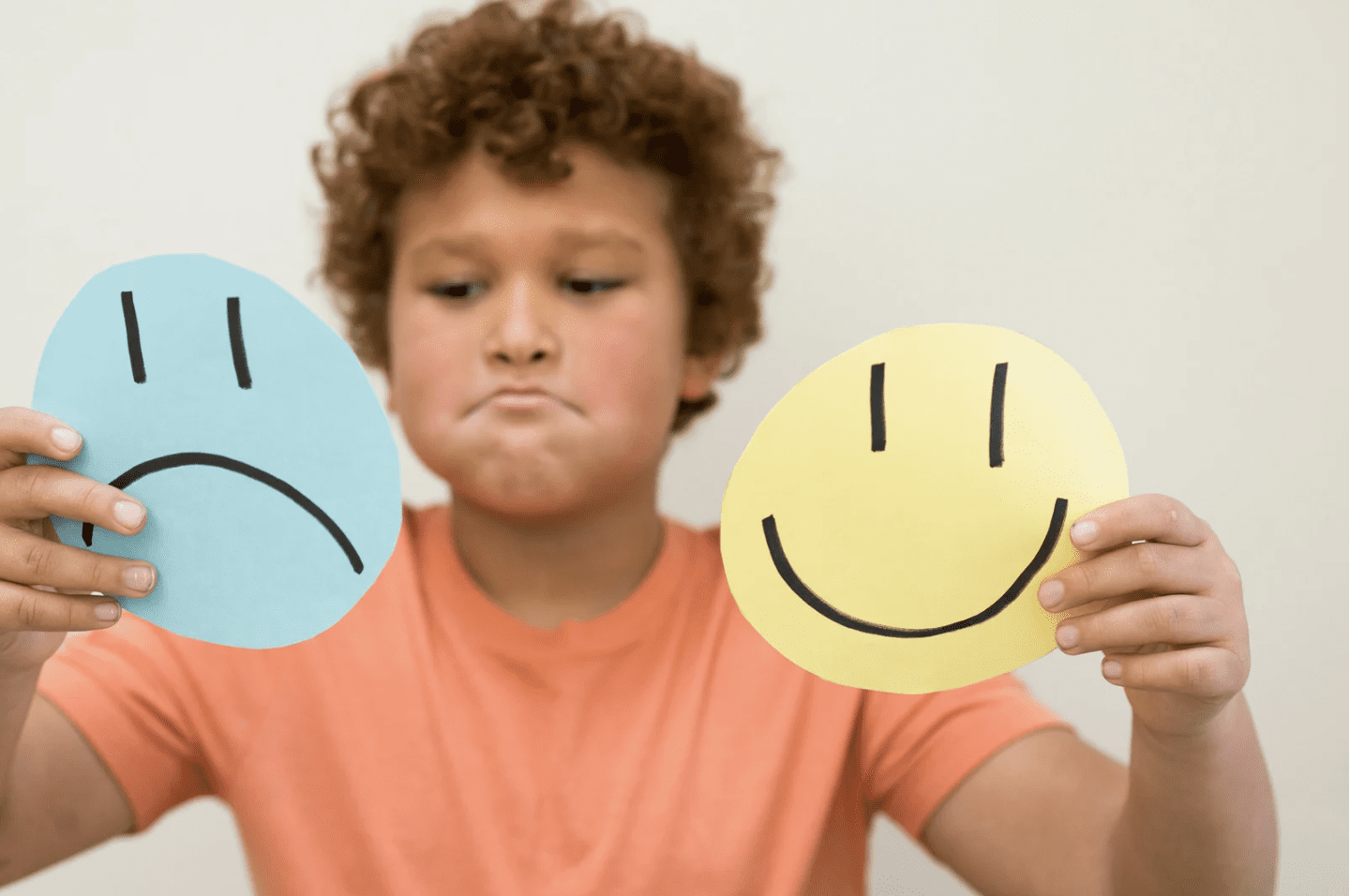
Talk about it when nobody is currently on fire.
Conflict is practice, not failure.
You don’t need a perfect script.
You need the small moments. The pause before you correct. The feeling you name out loud. The follow-up conversation after the door has stopped slamming.
Box Out Bullying offers a Parent Workshop built around exactly these skills—emotional regulation, empathy, conflict resolution, all in a format that fits actual family life, not an idealized version of it.
Because the children who learn to handle hard feelings don’t become people who never have them. They just become people who aren’t destroyed by them. Which, honestly, is the best any of us can hope for.